Health
How to Keep Your Dog Cool in the Summer
Jul
How to Keep Your Dog Cool in the Summer: The Dos and Don’ts
Summer is a season filled with outdoor activities, holidays, and warm, sunny days. While it’s a time many of us look forward to, it’s also a season that poses particular challenges for our dogs. Dogs can struggle with the heat, which can lead to heatstroke, dehydration, and general discomfort. Ensuring your dog stays cool during the summer requires proactive measures.
Here’s an in-depth guide on the dos and don’ts to keep your dog comfortable and safe during the hot months.
The Dos
- Provide Plenty of Fresh Water
- Hydration is Key: One of the most critical aspects of keeping your dog cool is ensuring they are well-hydrated. Dogs, like humans, need a constant supply of fresh water to help regulate their body temperature and stay hydrated.
- Multiple Water Stations: To encourage frequent drinking, set up multiple water stations around your home and yard. This way, your dog has easy access to water wherever they are.
- Travel Hydration: When you are out and about, carry a portable water bottle and bowl designed for dogs. Collapsible silicone bowls and dog-specific water bottles with attached bowls are excellent for travel.
- Dog Parks: If you are travelling to a dog park, always take water and a bowl with you.
2. Create Cool, Shady Space
- Shady Retreats: Make sure your dog has access to shaded areas. Trees, awnings, and specially designed dog houses can provide cool retreats from the sun.
- Indoor Comfort: Indoors, ensure there’s a cool, well-ventilated area where your dog can rest. Fans or air conditioning can help keep the indoor environment comfortable.
- Cooling Shelters: If you have a backyard, consider setting up a cooling shelter. These can be as simple as a tent or a tarp that provides shade. Elevated dog beds can also help by allowing air to circulate underneath.
3. Use Cooling Products
- Cooling Mats: Cooling mats are designed to help dogs regulate their body temperature. These mats typically contain a gel that stays cool without refrigeration, providing a cool surface for your dog to lie on.
- Cooling Vests and Bandanas: These products use evaporative cooling to keep dogs cool. Simply soak them in water, wring out the excess, and let your dog wear them. As the water evaporates, it helps cool your dog.
- Misting Systems: For outdoor areas, consider using a misting system. These systems can be attached to hoses and create a fine mist that helps lower the ambient temperature and keep your dog cool.
4. Adjust Exercise Routines
- Early or Late Walks: Walk your dog during the cooler parts of the day, such as early morning or late evening, to avoid the intense midday heat. This not only helps keep your dog cool but also reduces the risk of burnt paws from hot pavement.
- Monitor Activity Levels: Keep an eye on your dog’s activity levels. During hot weather, dogs can overheat quickly if they exert themselves too much. Provide plenty of breaks and ensure they rest in the shade.
- Keeping Calm: Keep your dog on a lead to prevent them running around too much.
5. Offer Frozen Treats
- DIY Frozen Snacks: Homemade frozen treats are a great way to keep your dog cool. Use low-sodium broth, plain yogurt, or water mixed with dog-safe fruits and vegetables to make ice pops. Pour the mixture into ice cube trays or silicone molds and freeze.
- Commercial Options: There are many commercial frozen treats available that are designed to be safe and nutritious for dogs. These can be found at pet stores or online.
6. Regular Grooming
- Coat Maintenance: Regular grooming helps maintain a healthy coat, which can aid in temperature regulation. For dogs with long or thick fur, consider a trim to help keep them cool. However, avoid shaving double-coated breeds as their fur provides natural insulation against both heat and cold.
- Brushing: Frequent brushing helps remove excess fur and reduces the insulation that can trap heat. It also helps prevent matting, which can be uncomfortable and trap heat close to the skin.
7. Check the Pavement Temperature
- Paw Safety: Hot pavement can burn your dog’s paws. Before walking your dog, check the temperature of the pavement with your hand. If it’s too hot for your hand, it’s too hot for your dog’s paws. Stick to grass or shaded paths instead.
- Paw Protection: If you must walk on hot surfaces, consider using dog booties to protect your dog’s paws. These can provide a barrier between the hot ground and your dog’s sensitive paw pads.
8. Use Fans and Air Conditioning
- Indoor Cooling: Fans and air conditioning can help keep indoor environments cool. Ensure that your dog has access to these cooled areas, especially during the hottest parts of the day.
- Portable Fans: Portable fans can be useful for providing targeted cooling. Battery-operated fans are great for outdoor use, especially in areas where you don’t have access to power.
9. Provide a Kiddie Pool
- Splashing Fun: A kiddie pool filled with cool water can be a great way for your dog to cool off. Place it in a shaded area and supervise your dog while they splash and play.
- Frequent Water Changes: Ensure you change the water frequently to keep it clean and cool. This also helps prevent the growth of algae and bacteria.
10. Stay Indoors During Heatwaves
- Extreme Temperatures: During extreme heatwaves, it’s best to keep your dog indoors as much as possible. Limit outdoor activities and ensure that your indoor environment is cool and comfortable.
The Don’ts
- Never Leave Your Dog in a Hot Car
- Fatal Consequences: Temperatures inside a car can rise rapidly, even with the windows cracked. Leaving your dog in a parked car can lead to heatstroke or even death within minutes.
- Plan Ahead: If you need to run errands, leave your dog at home where it’s cool and safe. If you must travel with your dog, plan your stops carefully and never leave them unattended in the car.
2. Avoid Midday Sun
- Peak Heat: The midday sun is at its strongest and can be dangerous for dogs. Avoid walking or exercising your dog during this time to prevent overheating and sunburn.
- Sunburn Risk: Some dogs, especially those with short or light-colored fur, can be susceptible to sunburn. Use pet-safe sunscreen on exposed areas, such as the nose and ears, if your dog will be in the sun for extended periods.
3. Don’t Shave Double-Coated Dogs
- Natural Insulation: Double-coated breeds have fur that provides natural insulation against both heat and cold. Shaving can disrupt this balance and expose them to sunburn and overheating.
- Proper Grooming: Instead of shaving, focus on regular grooming to remove excess fur and prevent matting. This helps maintain the coat’s natural insulating properties.
4. Don’t Overfeed
- Weight Management: Extra weight can increase the risk of overheating. Maintain a balanced diet and avoid overfeeding, especially treats that are high in fat and calories.
- Healthy Diet: Ensure your dog’s diet is appropriate for their activity level and health needs. Consult your veterinarian for advice on the best diet to keep your dog in optimal condition.
5. Avoid Hot Surfaces
- Paw Protection: Hot pavement, sand, and asphalt can burn your dog’s paws. Always test the surface temperature and consider using dog booties for protection if needed.
- Alternative Paths: Choose grassy or shaded paths for walks. These surfaces are cooler and more comfortable for your dog’s paws.
6. Don’t Rely Solely on Fans
- Limited Effectiveness: While fans can help with air circulation, they may not be sufficient to cool your dog down significantly. Dogs sweat primarily through their paws and cool down by panting, so fans alone may not be enough.
- Comprehensive Cooling: Use fans in conjunction with other cooling methods, such as air conditioning, cooling mats, and fresh water, to ensure your dog stays cool.
7. Avoid Strenuous Activity
- Heat Stress: High-intensity exercise during hot weather can quickly lead to heat stress and exhaustion. Opt for light activities and provide plenty of breaks.
- Monitor Your Dog: Watch for signs of overheating, such as excessive panting, drooling, and lethargy. If your dog shows any of these signs, stop the activity and move them to a cooler area immediately.
8. Don’t Ignore Signs of Overheating
- Recognise the Symptoms: It’s crucial to recognise the signs of heatstroke in dogs to take immediate action. Symptoms include excessive panting and drooling, rapid heart rate, lethargy or confusion, vomiting or diarrhea, bright red or pale gums, and collapse or seizures.
- Immediate Action: If you suspect heatstroke, move your dog to a cooler area, offer small amounts of water, and contact your veterinarian immediately. Rapid intervention can be lifesaving.
9. Avoid Overcrowded Places
- Stress and Heat: Crowded places can be stressful and hot for dogs. If you’re attending outdoor events or busy parks, make sure there’s ample space for your dog to find shade and cool down.
- Social Distancing: Ensure your dog has enough space to move around comfortably and isn’t forced to stay in a crowded area where heat can accumulate.
10. Don’t Forget Regular Health Checks
- Health Monitoring: Pay attention to your dog’s behaviour and health. If you notice any changes, such as increased lethargy, reluctance to exercise, or changes in eating and drinking habits, consult your vet.
Recognising Heatstroke in Dogs
Heatstroke is a serious and potentially fatal condition that can occur when a dog’s body temperature rises to dangerous levels. Recognising the signs and knowing how to respond can save your dog’s life. Symptoms of heatstroke include:
- Excessive Panting and Drooling: One of the earliest signs of heatstroke. Dogs pant to cool down, but excessive panting can indicate they’re struggling to regulate their temperature.
- Rapid Heart Rate: Feel your dog’s chest to check for an abnormally fast heartbeat, which can be a sign of overheating.
- Lethargy or Confusion: If your dog seems unusually tired, weak, or disoriented, these could be signs of heatstroke.
- Vomiting or Diarrhea: Gastrointestinal distress can occur in response to overheating.
- Bright Red or Pale Gums: Check your dog’s gums. Bright red or very pale gums can indicate heatstroke.
- Collapse or Seizures: In severe cases, dogs may collapse or have seizures due to extreme heat.
If you suspect your dog is suffering from heatstroke, take the following steps immediately:
- Move to a Cool Area: Get your dog out of the heat and into a cooler environment.
- Offer Water: Provide small amounts of cool (not cold) water for your dog to drink.
- Cool Them Down: Use cool, damp towels on your dog’s body, especially around the neck, armpits, and groin. Avoid using ice-cold water, as it can constrict blood vessels and slow the cooling process.
- Seek Veterinary Care: Contact your veterinarian or an emergency animal clinic right away. Heatstroke requires prompt medical attention.
Conclusion
Keeping your dog cool during the summer requires a combination of vigilance, preparation, and understanding of your pet’s needs. By following these dos and don’ts, you can ensure that your furry friend stays safe, healthy, and comfortable throughout the hot months. Summer should be a time of fun and adventure, and with the right precautions, you can enjoy it with your dog by your side, making memories while keeping their well-being a top priority.
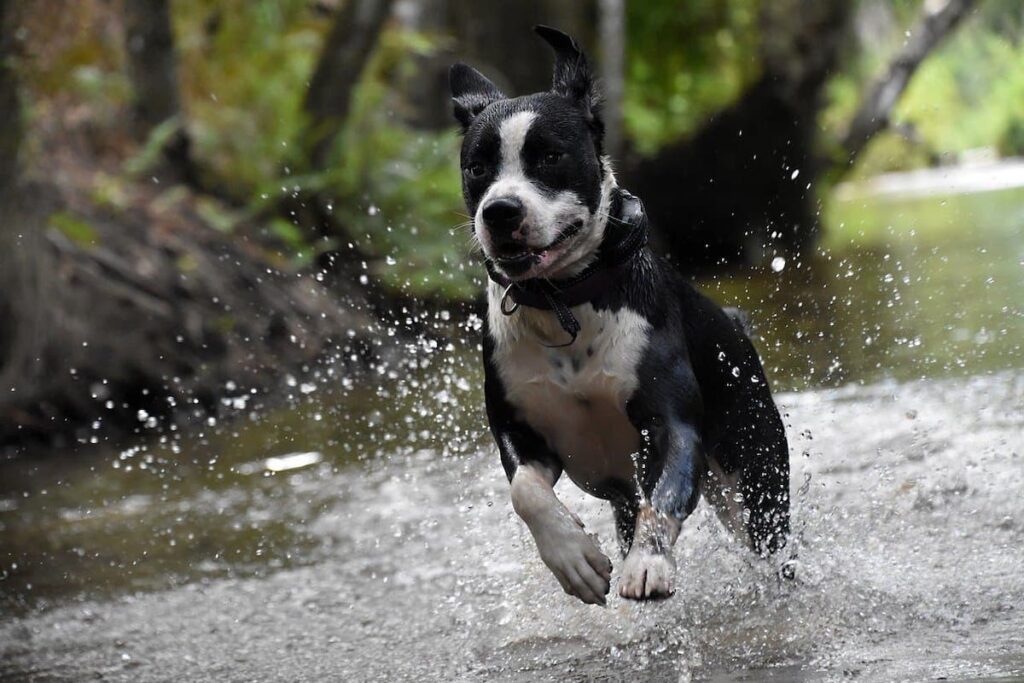
Image by Jools Theriault from Pixabay